Your heat pump is the hardest-working machine in your house. Around Mount Gilead, it cools you through long, humid Piedmont summers and heats you through our mild winters. One system, running close to year-round. That kind of workload earns it some attention.
Here is the honest truth: most heat pump failures we get called for were preventable. A clogged filter, a smothered outdoor coil, a clogged drain line. Small things that turn into big repair bills when nobody catches them early. The good news is that a lot of heat pump maintenance is simple enough to do yourself, and the rest is quick work for a technician twice a year.
Here is how to keep yours running strong.
Why Heat Pumps Need More Attention Here Than Anywhere Else
A furnace gets a break. It sits idle all summer. A central AC gets a break too, resting all winter. A heat pump does both jobs, so it never really rests. In our USDA Zone 8a climate, that means roughly 2,000 to 3,000 hours of run-time a year, sometimes more.
Long run-times are good for comfort and efficiency. They are also why heat pumps wear differently than other equipment:
- The compressor cycles far more often than a single-season system.
- Components see both summer heat and winter cold, expanding and contracting through every season.
- Our 50 inches of annual rain and heavy humidity push moisture, pollen, and grime into the outdoor unit all year.
That is exactly why twice-a-year maintenance matters more on a heat pump than on almost any other system. Skip it, and small wear adds up fast.
Change the Filter (This Is the One That Matters Most)
If you do nothing else, do this. A dirty filter is behind more heat pump problems than any other single cause we see.
When the filter clogs, airflow drops. The indoor coil can ice over in cooling mode. The system strains, your electric bill climbs, and the compressor works harder than it should. A two-dollar filter ignored too long can lead to a several-hundred-dollar repair.
- Check the filter every month, especially during heavy cooling or heating stretches.
- Replace standard 1-inch filters every 30 to 60 days. Thicker media filters can go three to six months.
- If you have pets, allergies, or a lot of Piedmont pollen blowing through, lean toward the shorter end.
- Match the filter to your system. A filter that is too restrictive starves airflow just like a dirty one does.
Write the date on the edge of the filter with a marker. It is the easiest reminder there is.
Keep the Outdoor Unit Clear and Clean
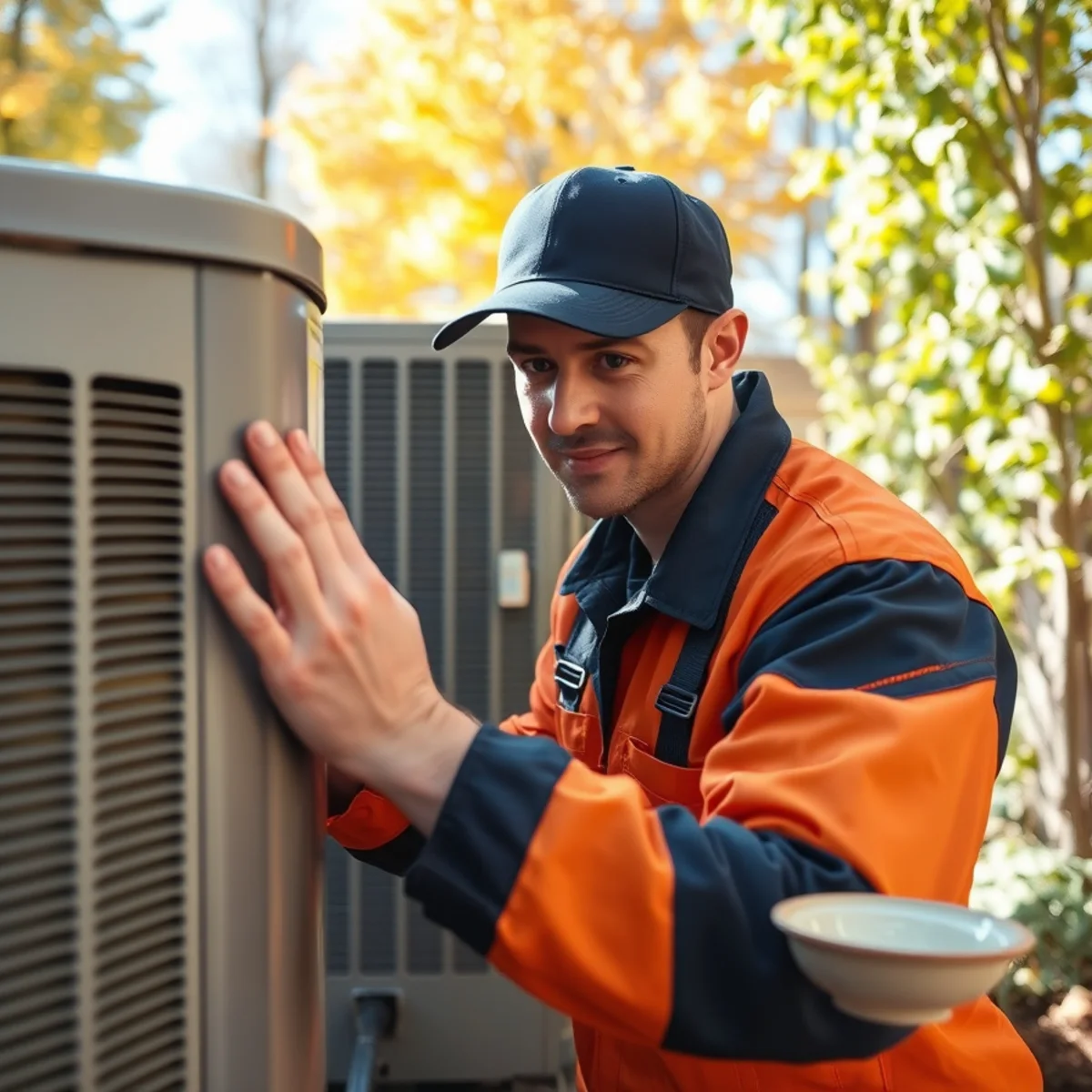
Your outdoor unit breathes. It needs open air on all sides to release heat in summer and pull it in during winter. Out here, that unit fights pollen, grass clippings, leaves, cottonwood fluff, and red Carolina clay dust all year.
Walk out and look at it once a month:
- Clear at least two feet of open space around all sides and five feet above.
- Trim back shrubs, vines, and grass. Plants love crowding the condenser.
- Gently rinse the outdoor coil with a garden hose from the inside out when it looks dirty. Low pressure only. A pressure washer will bend the delicate fins.
- Rake out leaves and debris that collect on top and around the base.
- After mowing, blow grass clippings away from the unit, not into it.
Humidity is the local stressor, and standing moisture plus debris is what corrodes an outdoor coil early. Keeping it clean is the single best thing you can do to fight that.
Watch the Condensate Drain
In cooling mode your heat pump pulls a remarkable amount of water out of our humid air. That water has to go somewhere, and it travels through a condensate drain line. When that line clogs with algae or sludge, water backs up. Best case, a safety switch shuts the system off. Worst case, it overflows and damages a ceiling, floor, or the air handler itself.
We have a full article on what an overflowing pan means if you ever see a puddle, but prevention is easy:
- Find the drain line, usually a white PVC pipe near the indoor unit, and make sure it actually drains outside.
- Look for water stains or dampness around the air handler.
- If your system has a condensate pan, check that it is dry between cycles.
- During a tune-up, ask your technician to flush the line and clear it.
Given how hard our humidity makes a heat pump work in summer, a clear drain is not optional. It is the difference between a comfortable house and water damage.
Set the Thermostat to Work With the System, Not Against It
Heat pumps are happiest when they run steadily. They are not like a gas furnace that blasts heat fast. Fighting that nature wastes energy and wears parts.
- Avoid big setback swings in winter. Asking a heat pump to jump five or more degrees forces it into auxiliary or emergency heat, which is expensive electric resistance heating.
- If you use "Emergency Heat" by mistake and leave it there, your bill will jump. Use it only when the heat pump itself has failed.
- Let the system reach temperature gradually. A smart or programmable thermostat with a gentle recovery setting handles this well.
- In summer, pick a comfortable setpoint and leave it. Constant adjusting works against the long, steady run-times that control humidity best.
If your thermostat readings and your comfort never seem to line up, that is worth a look. Sometimes the fix is the thermostat, not the heat pump.
Know What Defrost Looks Like (and What It Doesn't)
On a cold, damp morning you may see steam or light frost on the outdoor unit. That is normal. Heat pumps run a defrost cycle in winter to melt frost off the outdoor coil, and a little steam afterward is just the system doing its job.
What is not normal:
- A solid block of ice encasing the unit, or ice that never melts.
- The unit running constantly in defrost without ever heating the house.
- Loud grinding, screeching, or repeated hard clunks.
A unit frozen solid usually points to a real problem, like low refrigerant, a stuck reversing valve, or a defrost control fault. Shut it off and call rather than letting it run that way. If you are not sure whether what you are seeing counts as a problem, our guide on the signs your heat pump needs repair walks through the warning signs.
What a Professional Tune-Up Covers (and Why Twice a Year)
There is real maintenance you simply cannot do from the outside. Refrigerant is the big one. It is illegal and unsafe for a homeowner to handle, and a heat pump that is even slightly low on charge loses efficiency and runs the compressor hot. Only a tech with gauges can check it properly.
A thorough heat pump tune-up should include:
- Checking refrigerant charge and looking for leaks.
- Testing the reversing valve that switches the unit between heating and cooling.
- Inspecting and testing the defrost control and sensors.
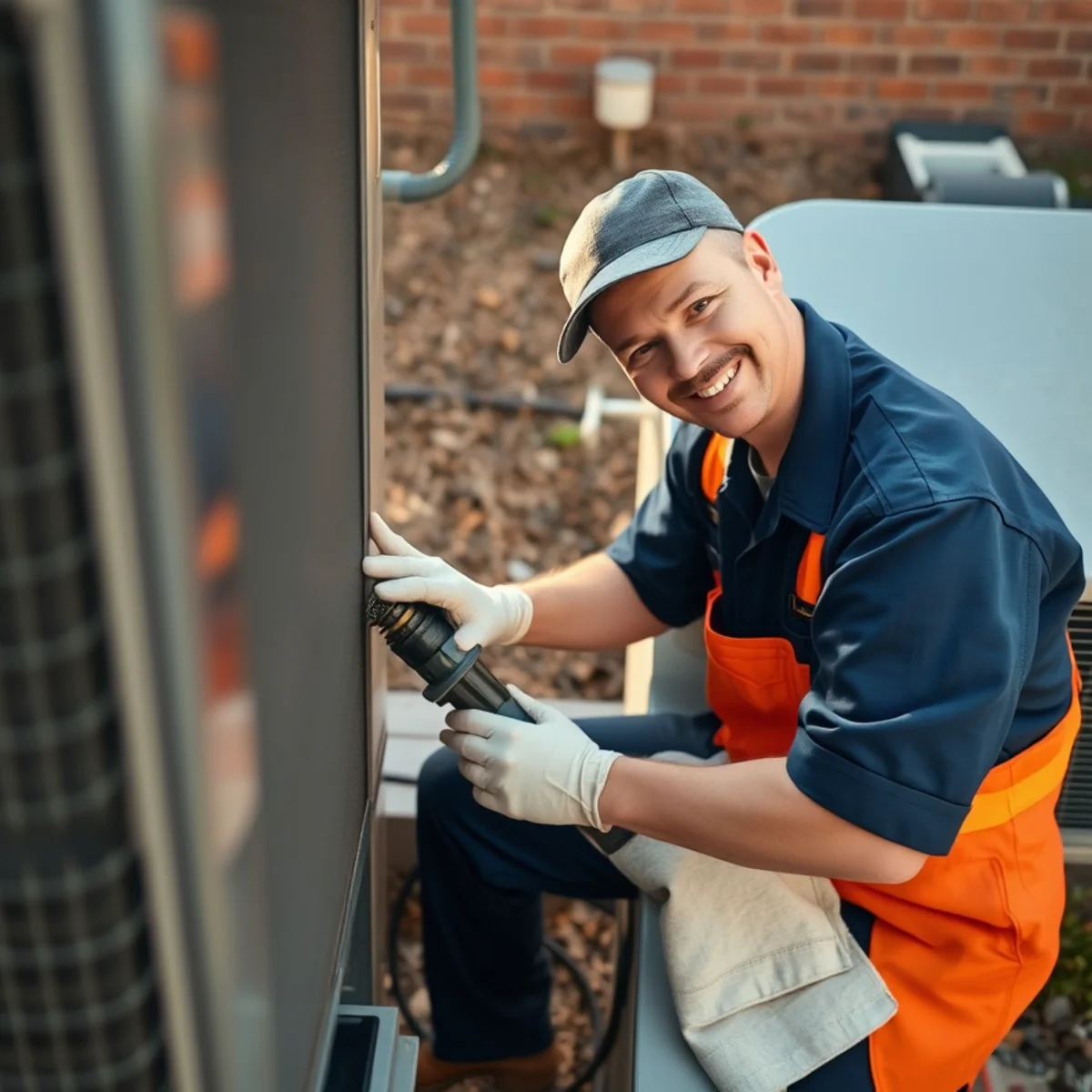
- Cleaning the indoor and outdoor coils.
- Tightening electrical connections and checking the capacitor and contactor.
- Measuring airflow and temperature split.
- Lubricating motors and inspecting the blower.
- Flushing the condensate drain.
Because your heat pump runs in both seasons, we recommend a tune-up twice a year, once in spring before cooling season and once in fall before the cold sets in. A furnace only needs a fall check. A heat pump earns both. Catching a weak capacitor or a slow refrigerant leak in spring is a lot cheaper than an emergency call on the first 90-degree day.
A Simple Seasonal Rhythm
You do not need to memorize all of this. Just build a habit:
- Monthly: glance at the filter and the outdoor unit. Replace the filter when it is dirty.
- Spring: clear and rinse the outdoor coil, then book a professional cooling tune-up.
- Fall: book a professional heating tune-up before the first cold snap.
- Anytime: if something sounds, smells, or feels wrong, do not wait. Small problems are cheap to fix early.
Around here, where the same unit carries the load through humid summers and chilly winters, that rhythm is what keeps a heat pump efficient and makes it last. Good maintenance routinely buys homeowners extra years out of a system.
Talk to a Local Crew Who Knows These Systems
EM Contractors LLC has been keeping Mount Gilead homes comfortable since 2005. We are a family-owned business, run by Eric Mabe, with the Mabe family doing HVAC in Montgomery County for decades. We service all major makes and models of heat pumps, and we will tell you honestly what your system needs and what it does not.
If your heat pump is due for a tune-up, making strange noises, or just not keeping up the way it used to, give us a call. We will check it over, fix it right, and quote you a fair price. Whether you are right here in town, out by Lake Tillery, or anywhere across Montgomery County, we are your neighbors, and we are glad to help.
Frequently Asked Questions
Check it every month and replace a standard 1-inch filter every 30 to 60 days. Thicker media filters can go three to six months. With pets, allergies, or heavy Piedmont pollen, change it sooner. A two-dollar filter ignored too long can lead to a several-hundred-dollar repair, so write the date on the edge with a marker and stay ahead of it.
A furnace rests all summer and a central AC rests all winter. Your heat pump does both jobs, so it never really rests. Around here it runs roughly 2,000 to 3,000 hours a year. We recommend a tune-up in spring before cooling season and again in fall before the cold. Catching a weak capacitor or a slow refrigerant leak in spring is a lot cheaper than an emergency call on the first 90-degree day.
A little steam or light frost on a cold, damp morning is normal. That is the defrost cycle melting frost off the outdoor coil, just the system doing its job. What is not normal is a solid block of ice that never melts, the unit running constantly without heating the house, or loud grinding and clunking. If you see that, shut it off and call rather than letting it run that way.
Yes, and you should. Keep at least two feet of open space on all sides and five feet above. Trim back shrubs and grass, rake out leaves, and rinse the coil gently with a garden hose from the inside out when it looks dirty. Use low pressure only. A pressure washer will bend the delicate fins. The deeper work like refrigerant, the reversing valve, and electrical connections is for a technician with gauges.
Related Services
Written by
EM Contractors LLC
A family-owned heating and air conditioning company serving Mount Gilead, NC since 2005. Owner Eric Mabe and his crew share these tips from real work in local homes and businesses — honest advice, no sales pressure.