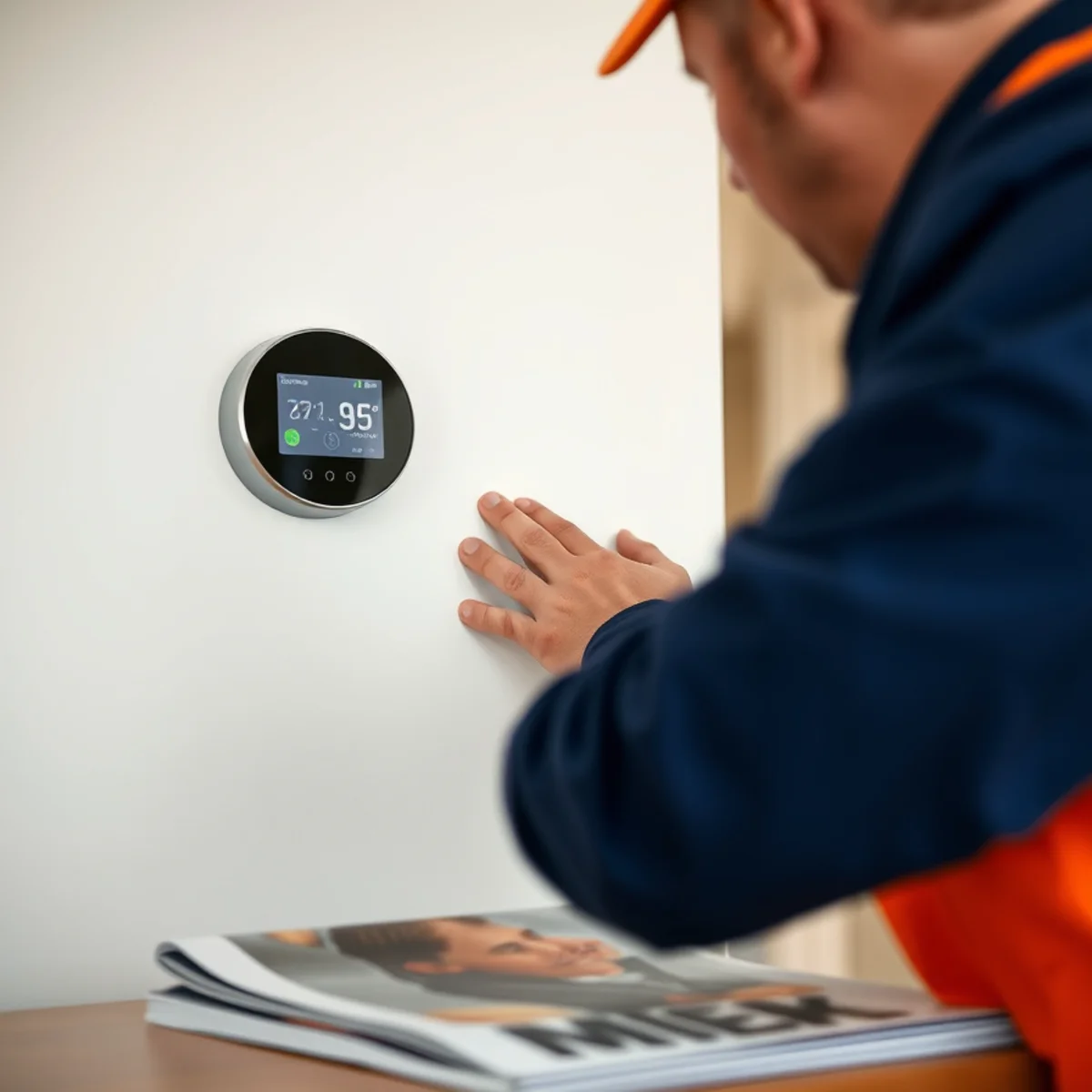
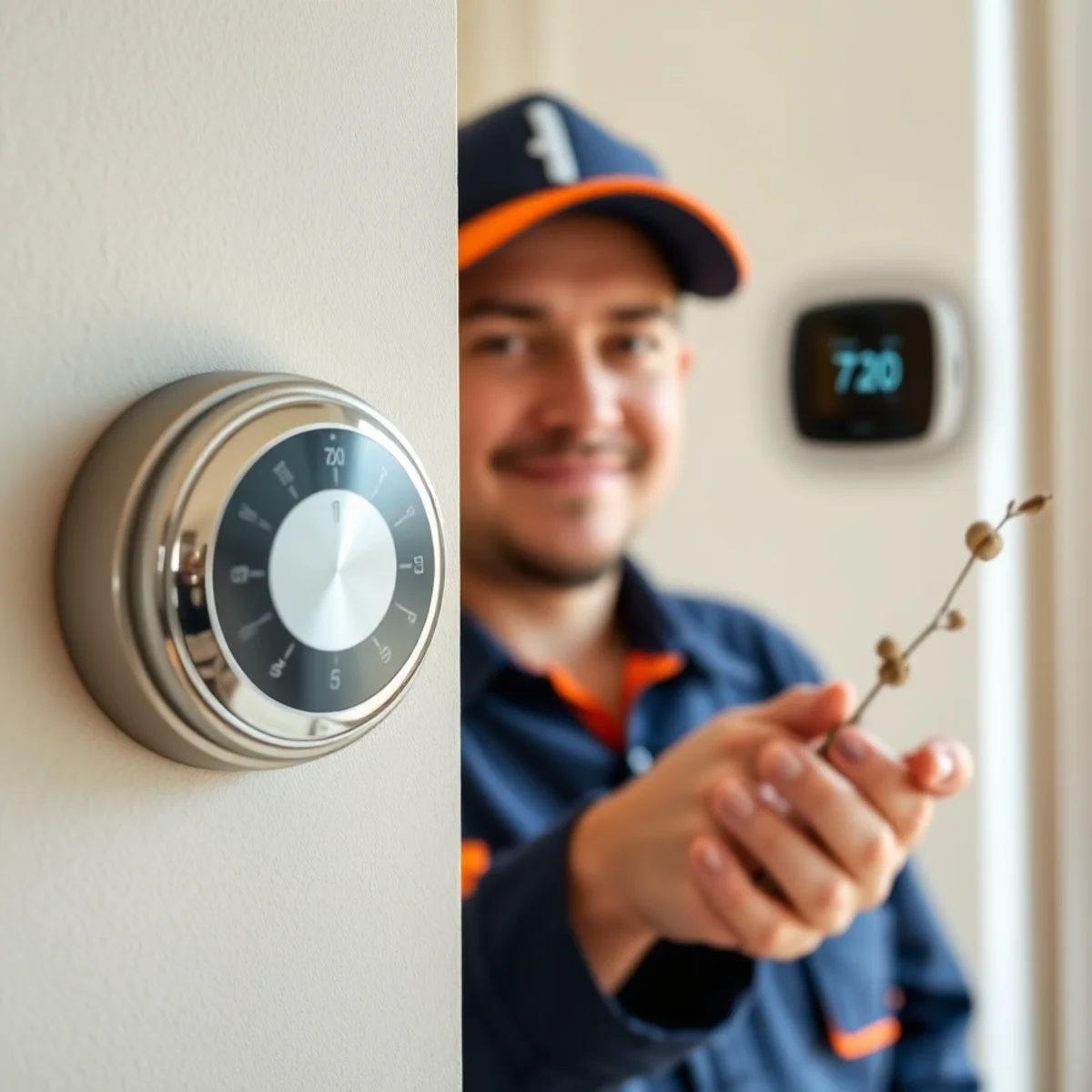
Your thermostat is small. The job it does is not. It is the brain of your whole heating and cooling system, telling your AC, heat pump, or furnace when to run and for how long. When that brain is old, worn, or just outdated, the rest of the system pays for it. You feel it in uneven rooms, longer run-times, and a power bill that creeps up for no clear reason.
Here in Mount Gilead, our long, humid summers put a thermostat to work. The unit cycles hard for months, and an old controller that reads the temperature a few degrees off makes everything run harder than it needs to. Replacing a tired thermostat is one of the smallest jobs we do, and one of the most underrated. Here is the honest breakdown of what you actually get.
Lower Energy Bills, Especially in a Long Cooling Season
The number one reason folks upgrade is the bill. An old thermostat costs you money in a few quiet ways.
- Bad temperature reading. Old mechanical thermostats drift over time. If yours reads two degrees colder than the real room temperature, your AC runs longer on every cycle. Over a Piedmont summer that adds up fast.
- No scheduling. A manual dial cannot turn itself down when you are at work or asleep. A programmable or smart thermostat can. Setting back the temperature while the house is empty is free money.
- Short cycling. A worn thermostat sometimes tells the system to start and stop too often. Every start pulls extra power and wears the compressor.
A modern thermostat holds a tighter, more accurate temperature band. Tighter bands mean the system runs when it should and rests when it should. With cooling season running from late spring well into fall around Lake Tillery and across Montgomery County, even a small efficiency gain stretches across a lot of months.
Better Comfort and Fewer Hot or Cold Spots
Comfort is more than a number on the wall. A good thermostat keeps the temperature steady instead of letting it swing.
- Steadier temperatures. Newer thermostats sense smaller changes and react sooner, so you avoid that swing where the house gets too warm before the AC kicks back on.
- Better humidity handling. This is the big one here. Our summers are humid, and humidity is what makes a 88-degree day feel miserable. Some thermostats work with your system to manage longer, gentler run cycles that pull more moisture out of the air. Drier air feels cooler at the same temperature, which means you can often set the thermostat a touch higher and still feel comfortable.
- Room-by-room awareness. Certain smart models support remote sensors, so the system can balance toward the room you are actually in rather than the hallway where the thermostat happens to hang.
If you have ever fought with one room that is always warmer than the rest, an accurate thermostat is part of the fix. The other part is often airflow and ductwork, which is worth checking together.
Protecting the Equipment You Already Paid For
A thermostat that misreads or short-cycles does not just waste power. It is hard on the expensive parts.
- Compressor protection. Many newer thermostats build in a short delay before restarting the compressor after it shuts off. That delay prevents the hard restarts that shorten compressor life.
- Fewer hard starts. Smoother, less frequent cycling means less wear on the contactor, the capacitor, and the motor.
- Catching problems early. Some smart thermostats flag when the system runs much longer than normal to reach the set point, which can be an early sign of a low refrigerant charge, a dirty coil, or a failing part.
Your outdoor unit already fights corrosion in our damp climate. There is no reason to let a cheap, failing thermostat add extra strain on top of that.
Comfort You Can Actually Control
Old thermostats are stubborn. Newer ones meet you where you live.
- Scheduling that fits your week. Set it to ease off while you are at work, cool down before you get home, and rest overnight. Set it once and forget it.
- Remote access. Wi-Fi models let you adjust the temperature from your phone. Heading to the lake house for the weekend? Turn the system down before you leave and warm it back up on the drive home.
- Clear, readable displays. No squinting at a faded dial or a tiny mercury line. Backlit screens and simple menus help, especially for older eyes.
- Useful reminders. Filter-change reminders and maintenance alerts keep small upkeep from turning into big repairs.
You do not have to buy the most expensive model on the shelf to get most of this. A solid programmable thermostat covers the basics well. A smart thermostat adds the phone control and the extra sensing. We will tell you honestly which one fits your home and your habits, not just the one with the biggest price tag.
Signs Your Thermostat Is Due for Replacement
You do not always need a thermostat to die before it is worth replacing. Watch for these:
- It is a manual dial or an old mercury model with no scheduling.
- The temperature in the room never quite matches what the thermostat shows.
- The system short cycles, turning on and off in quick bursts.
- The display flickers, fades, or goes blank.
- You changed the batteries and it still acts up.
- It does not match your current system. Heat pumps in particular need a thermostat that supports their staging and auxiliary heat correctly.
That last point matters a lot around here. Heat pumps are the workhorse of the Piedmont because they handle our mild winters and long summers on one system. A heat pump paired with the wrong or outdated thermostat can run expensive backup heat far more than it should. If you have a heat pump, matching the thermostat correctly is not optional, it is where real savings come from.
Why the Right Match and a Clean Install Matter
A thermostat is only as good as the wiring behind it and the settings inside it. This is where a careful install earns its keep.
- Correct wiring. Modern thermostats often need a common wire, the C-wire, for steady power. Many older homes in our historic downtown and out in the county were not wired for it. We sort that out the right way rather than leaving the unit to drain batteries or behave oddly.
- System-matched settings. A thermostat has to be configured for your exact equipment, whether that is a gas furnace, an oil furnace, a heat pump, or a ductless mini-split. The wrong setting can run auxiliary heat when it should not, or fail to stage properly.
- Proper placement. A thermostat on an exterior wall, in direct sun, or near a supply vent will read wrong no matter how new it is. Sometimes the fix is relocating it.
Swapping a thermostat looks like a five-minute job on a video. Doing it so the system actually runs better, and keeps running better through a full North Carolina summer, is where experience shows. We have been doing HVAC in Montgomery County since 2005, and the Mabe family has worked on these systems here for decades. We have seen what a bad thermostat install does, and we would rather do it right the first time.
A new thermostat is one of the lowest-cost upgrades that touches your comfort, your power bill, and the life of your equipment all at once. If yours is outdated, misreading the room, or just plain frustrating, it is worth a look. EM Contractors LLC is a family-owned, local HVAC company right here in Mount Gilead, and we will give you a straight answer on whether a new thermostat makes sense for your home, and which one fits. Call us today, and let us help you get comfortable, efficient, and back in control of your system, often same day or next day when we can.
Frequently Asked Questions
It can. An old thermostat that misreads the room makes your system run longer than it needs to, and short-cycling burns extra power. A thermostat that reads accurately and holds a steady temperature stops that waste. In Mount Gilead, where the cooling season runs long and humid, those small savings add up month after month. We won't promise a dollar figure, but cutting wasted run time is real money.
A few honest signs: the room never matches the number you set, the screen is blank or flickering, the system clicks on and off constantly, or the unit won't shut off when it should. If your thermostat still uses mercury or is decades old, it's worth a look. You don't have to wait for it to die — replacing a failing one protects the rest of your equipment.
Sometimes, but it's easy to get wrong. A thermostat is only as good as the wiring behind it. Heat pumps in particular need the right wires landed and the settings configured correctly, or you'll get poor comfort or short-cycling. If the wiring doesn't match or you're missing a common wire, a quick swap turns into a headache. We're glad to handle it and set it up right — or just check your work.
Humidity is the real stressor here in the Piedmont, and the thermostat is part of the picture. Steadier, more accurate cycling helps your system pull moisture out of the air instead of blasting cold and shutting off too soon. For sticky, musty air, though, the thermostat alone isn't the whole fix — proper sizing, good airflow, and sometimes a dehumidifier do the heavy lifting. We can look at the whole setup together.
Related Services
Written by
EM Contractors LLC
A family-owned heating and air conditioning company serving Mount Gilead, NC since 2005. Owner Eric Mabe and his crew share these tips from real work in local homes and businesses — honest advice, no sales pressure.