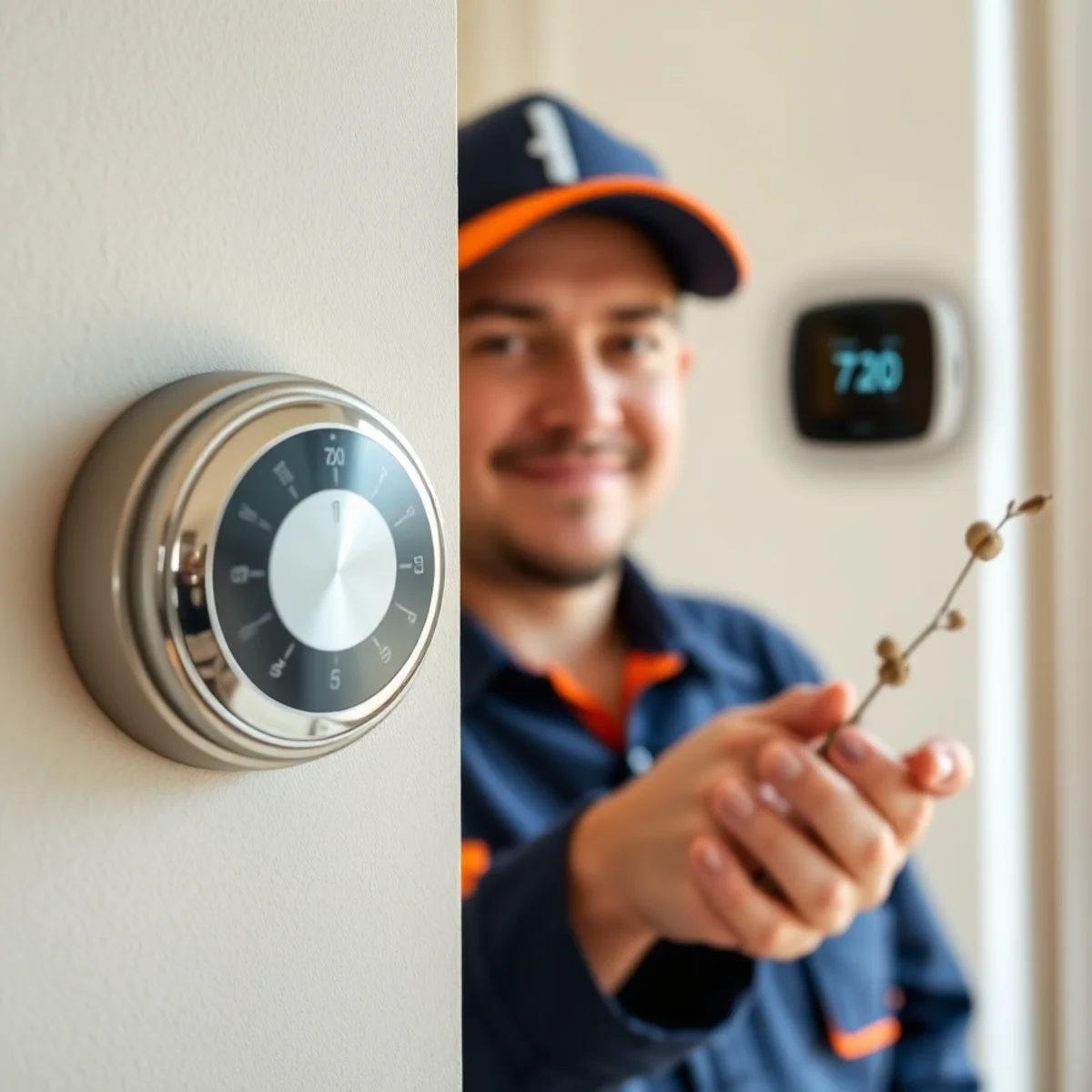
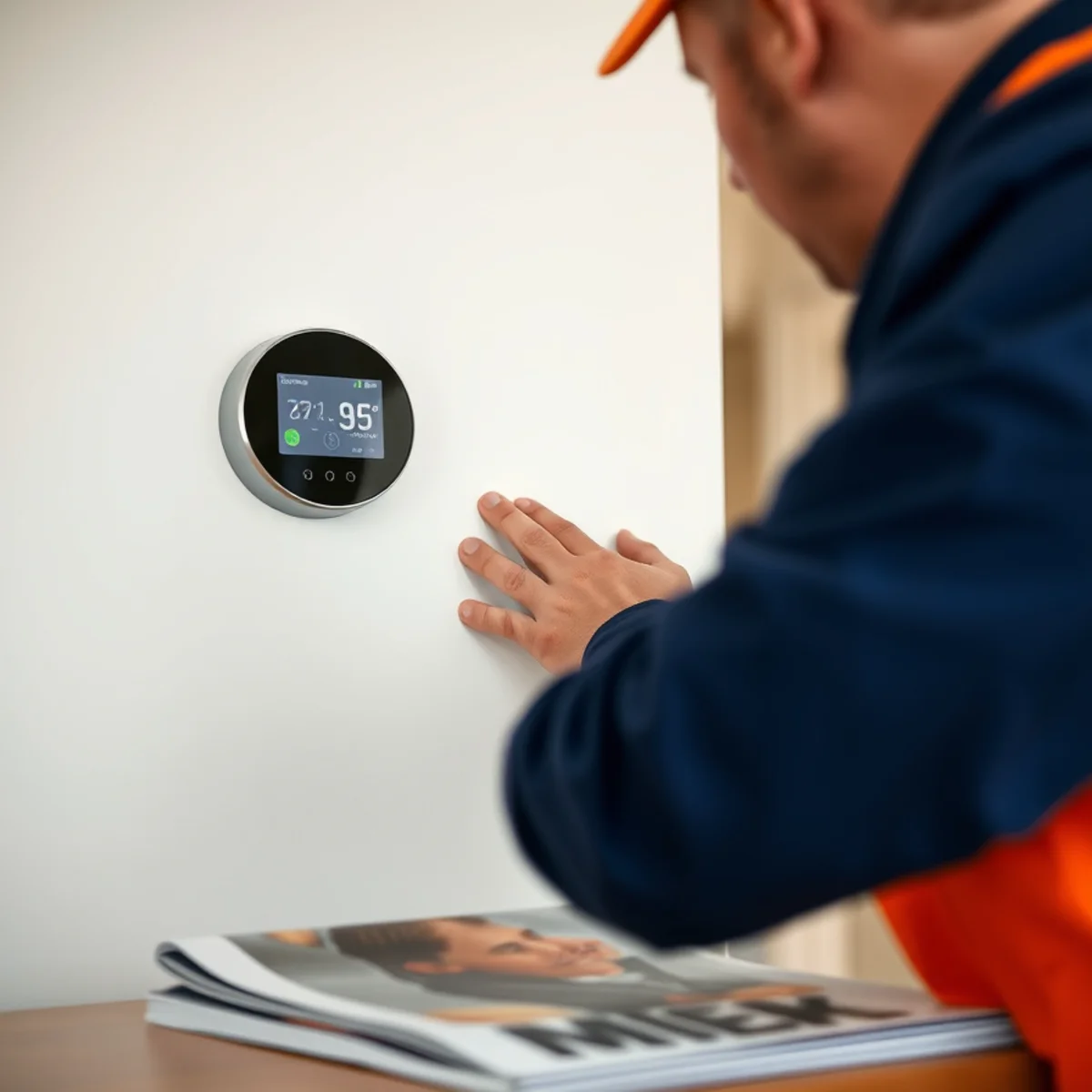
A smart thermostat is one of the cheapest upgrades that actually makes your house feel better. Not just look fancy on the wall, feel better, room to room, hour to hour. I install these in homes all over Mount Gilead and around Lake Tillery, and the honest truth is most people are surprised by how much steadier their comfort gets once the old mercury or basic digital stat comes down.
But a smart thermostat is a tool, not magic. Set it up wrong, or pair it with a system that needs help, and you've just spent good money on a prettier problem. So here's the plain-language version of what these things do, where they shine in our humid Piedmont climate, and what to check before you buy.
What a smart thermostat actually does
Strip away the marketing and a smart thermostat does a handful of real things your old one couldn't:
- Holds temperature tighter. Older thermostats have a wide swing, sometimes 2 to 3 degrees, before the system kicks on. Smart units sense temperature more precisely and cycle the system to keep the room closer to your set point. Less drift means fewer hot-and-cold complaints.
- Learns or follows a schedule. It backs the temperature off when you're asleep or away, then brings the house back to comfortable before you wake up or walk in the door. You stop paying to cool an empty house.
- Lets you adjust from your phone. Heading home early from Troy or the lake? Bump the AC down before you leave. Forgot to set it back before a trip? Fix it from anywhere.
- Watches your system's runtime. Many units track how long your heat pump or AC runs and flag when something's off, which is an early warning that a tune-up or repair is due.
- Reminds you about filters. A clogged filter is the number-one comfort killer I see. A simple reminder keeps airflow strong.
None of that is hype. It's just better information and better timing applied to the equipment you already own.
Why humidity is the real comfort story in Mount Gilead
Here's where local matters. Our summers are long and humid, highs near 90, fifty inches of rain a year, USDA Zone 8a. In a climate like this, the temperature on the wall isn't the whole story. Humidity is. A 74-degree house that's damp feels sticky and clammy. That same 74 degrees at lower humidity feels cool and clean.
Your air conditioner and heat pump pull moisture out of the air while they run. The catch is they only dehumidify well when they run for a decent stretch. Short, choppy cycles cool the air but never get around to wringing out the water. That's the clammy feeling so many lake homes and older downtown houses fight all summer.
A good smart thermostat helps here in a couple of ways:
- Longer, smarter cycles. Better temperature sensing and staging control can encourage longer run-times instead of short bursts, which gives the coil time to actually pull humidity down.
- Humidity-aware settings. Many models read indoor humidity and, on the right equipment, can run the system specifically to dry the air, not just chase a number. Some can also slow a variable-speed blower so air lingers on the cold coil and sheds more moisture.
I'll be honest about the limit, though. A thermostat can only manage the system it's wired to. If your home is genuinely damp, the real fix might be a properly sized system, sealed ductwork, or a dedicated dehumidifier. We sort that out by looking at the whole house, not just the wall.
Real comfort gains you'll actually notice
When the install is done right, here's what folks tell me changes:
- Fewer temperature swings. The house stops overshooting cold in the morning and creeping warm in the afternoon.
- More even rooms. Paired with good airflow, that back bedroom that always ran hot gets closer to the rest of the house.
- Better sleep. A gentle overnight setback, dialed in to your routine, keeps the bedroom comfortable without running the system hard all night.
- Quieter operation. Smarter staging means the system isn't slamming on at full blast as often.
- Less clammy air in July. This is the big one in our climate, and it's the change people mention first.
Where the savings come from (and where they don't)
People ask if a smart thermostat will cut the power bill. Usually yes, modestly, and here's the honest mechanism. The savings come from not heating and cooling hard when nobody benefits, the hours you're asleep, at work in Mount Gilead or Troy, or away for the weekend. Setting back the temperature during those windows is where the real money is.
A few honest notes:
- Heat pumps need a thermostat that understands them. Most of our homes run heat pumps, and they don't like big, sudden temperature jumps in winter. Crank the heat up 6 degrees fast and the system trips into expensive auxiliary or emergency heat, the electric strips that spin the meter. A heat-pump-aware thermostat ramps the recovery gently and keeps those strips off when it can. Put a thermostat that doesn't know heat pumps on one of these systems and you can spend more, not less.
- Don't oversell the savings. Anyone promising a fixed percentage off your bill is guessing. Your savings depend on your habits, your house, and your equipment.
- Comfort first. I'd rather you set it up for how your family actually lives than chase the last dollar and end up uncomfortable.
If your heat pump struggles in a cold snap or runs the aux heat too often, that's worth a look at the equipment itself, our heat pump repair and service is built around exactly the systems most common around here.
Picking the right one (and avoiding the wrong one)
Not every smart thermostat fits every system. Before you buy, check these:
- Does your wiring have a C-wire? Smart thermostats need steady power. That common, or C, wire provides it. Plenty of older Mount Gilead homes don't have one run to the thermostat. Sometimes there's a workaround, sometimes we run a new wire. Either way, find out before you're standing at the register.
- Match it to your equipment. Single-stage, two-stage, variable-speed, heat pump with aux heat, each needs a thermostat that speaks its language. The wrong match leaves features dead or causes short-cycling.
- Skip features you won't use. A mid-range unit with solid scheduling, humidity sensing, and phone control covers most homes. You don't need the priciest model to get the comfort.
- Think about your internet. Lake and rural properties with spotty Wi-Fi still benefit, but the remote features lean on a decent connection.
Honestly, the thermostat is the easy part. Getting it wired correctly, configured for your exact system, and set up so your heat pump behaves, that's where a careful install pays off. A ten-minute DIY job that locks out your aux heat or short-cycles the compressor isn't a bargain.
A note for older and historic homes
Mount Gilead has a lot of character, those sandstone-detailed homes in the National Register district downtown, plus older farmhouses and lake cottages. Some were built before central ducted systems and don't have great ductwork, or any. A smart thermostat still has a place in these homes, especially paired with ductless mini-split systems, which give you room-by-room control and their own smart features without tearing into plaster walls. If that's your house, the thermostat conversation is really part of a bigger comfort conversation, and we're glad to have it.
The bottom line
A smart thermostat is a fair-priced upgrade that makes a real difference, steadier temperatures, smarter humidity control through our long sticky summers, gentler heat pump operation in winter, and modest savings when you let it back off while you're away. The payoff is biggest when it's matched to your system and set up by someone who knows how heat pumps behave in this climate.
If you're in Mount Gilead, around Lake Tillery, or out toward Troy and you're weighing a smart thermostat, or your current one isn't keeping the house comfortable, call EM Contractors LLC. We're a family-owned, Mount Gilead HVAC company, here since 2005, and we'll give you an honest read on whether a new thermostat is the answer or just part of it. No upselling, just a fair price and a system that keeps your family comfortable. Reach out and we'll get you taken care of, often same day or next.
Frequently Asked Questions
Usually yes, modestly. The savings come from not heating and cooling hard when nobody's home or everyone's asleep. Set it to back off during those windows and you'll see it. But anyone promising a fixed percentage off your bill is guessing. Your real savings depend on your habits, your house, and your equipment.
Most smart thermostats need steady power, and that common, or C, wire provides it. A lot of older Mount Gilead homes never had one run to the thermostat. Sometimes there's a workaround, sometimes we run a new wire. It's worth finding out before you buy, so check your wiring or have us take a look first.
It can help. Better temperature sensing encourages longer run-times, which gives the coil time to wring moisture out of the air, and many models read indoor humidity and run the system to dry it. But a thermostat can only manage the system it's wired to. If your home is genuinely damp, the real fix might be proper sizing, sealed ductwork, or a dehumidifier. We'd look at the whole house.
On a basic AC system a careful DIY job can work. On a heat pump, which most of our homes run, it's easy to wire it wrong and lock out the aux heat or short-cycle the compressor, and that costs you more, not less. We make sure it's matched to your exact system and set up so your heat pump behaves. It's a fair-priced job and worth doing right the first time.
Related Services
Written by
EM Contractors LLC
A family-owned heating and air conditioning company serving Mount Gilead, NC since 2005. Owner Eric Mabe and his crew share these tips from real work in local homes and businesses — honest advice, no sales pressure.