
Short answer: at least once a year. If you run a heat pump here in Mount Gilead, make it twice a year. Our Piedmont summers are long and humid, the compressor runs hard for months, and a system that gets ignored is a system that fails on the hottest afternoon in July. Regular service is the cheapest insurance you can buy for your cooling.
Let me walk you through the real schedule, what a tune-up actually covers, and the local reasons it matters more here than it would in a drier, cooler place.
The Honest Schedule for Mount Gilead
Here is the straight answer, no upsell.
- Straight AC (central air with a separate furnace): Service once a year, in spring before cooling season starts. That single visit gets you ready for the long haul from May through September.
- Heat pumps: Service twice a year. Once in spring for cooling, once in fall for heating. A heat pump works year-round, so it racks up roughly double the run-time of a system that only cools. It earns the second visit.
- Ductless mini-splits: Once a year at minimum, twice if it's a heat pump style unit doing both heating and cooling. The indoor blower wheels and filters need attention to keep airflow honest.
Heat pumps dominate around here for a reason. Our winters are mild, rarely dipping below the low 20s, so a heat pump heats efficiently most of the season. That's great for your power bill. It also means the same equipment is working spring, summer, fall, and winter, which is exactly why it needs looking at twice a year instead of once.
Why Once a Year Is the Floor, Not the Ceiling
I tell folks once a year is the minimum, not the goal. In Mount Gilead, a few local realities push that number.
- Humidity is the real workload. We get around 50 inches of rain a year and muggy air all summer. Your AC isn't just cooling, it's wringing moisture out of the air. That means longer compressor run-times and a constant stream of condensate. Long run-times wear parts faster.
- Pollen and dust load up filters fast. Spring around here coats everything in yellow. A dirty filter chokes airflow, and choked airflow makes the system work harder for less cooling.
- Outdoor units take a beating. Heat, moisture, and time corrode coils and electrical connections. A unit sitting out near Lake Tillery or in a low, damp yard ages faster than the brochure says it will.
If you have pets, a dusty gravel drive, or a lot of trees dropping debris on the outdoor unit, lean toward the heavier end of the schedule. Those systems simply get dirtier, faster.
What a Real AC Tune-Up Includes
A tune-up should be hands-on work, not a guy glancing at the unit and writing a ticket. When we service a system, here's the kind of thing that actually happens.
- Check refrigerant charge. Too low and the system can't cool and the compressor strains. Too high and it runs inefficiently. We measure, we don't guess.
- Clean the coils. The outdoor condenser coil and the indoor evaporator coil collect dirt and grime. Dirty coils kill efficiency and can cause the system to freeze up.
- Clear the condensate drain. This is a big one in our humidity. A clogged drain line backs up water and can flood a pan, stain a ceiling, or trip a safety switch and shut the whole system down. We flush it.
- Test the capacitor and electrical connections. Heat loosens and corrodes connections. A weak capacitor is one of the most common reasons a compressor won't start on a hot day. We test it before it strands you.
- Inspect the blower and airflow. Weak airflow strains everything downstream. We check the blower wheel, the motor, and the filter.
- Check the thermostat. We make sure it's reading right and cycling the system correctly.
- Lubricate moving parts and check for wear. Small attention now prevents big failures later.
The whole point is to catch the small thing before it becomes the expensive thing. A $20 capacitor caught in spring is a lot cheaper than an emergency call when your house hits 85 degrees inside.
Spring Is the Right Time for Cooling Service
Get your cooling service done in spring, ideally before the first real hot stretch. Here's why timing matters.
- You find problems before you need the system, not during a heat wave.
- Parts and scheduling are easier in the shoulder season.
- A clean, charged, tested system runs cheaper all summer, which matters when the compressor is running most of the day for four straight months.
For heat pumps, pair that spring cooling check with a fall heating check. Going into winter, you want the reversing valve, the defrost cycle, and the auxiliary heat all working before the first cold snap. Same equipment, two seasons, two visits.
What You Can Do Yourself Between Visits
Professional service is once or twice a year. The rest of the year, a little homeowner attention goes a long way.
- Change or clean your filter every one to three months. During heavy pollen season or if you have pets, check it monthly. This is the single most important thing you can do, and most people wait too long.
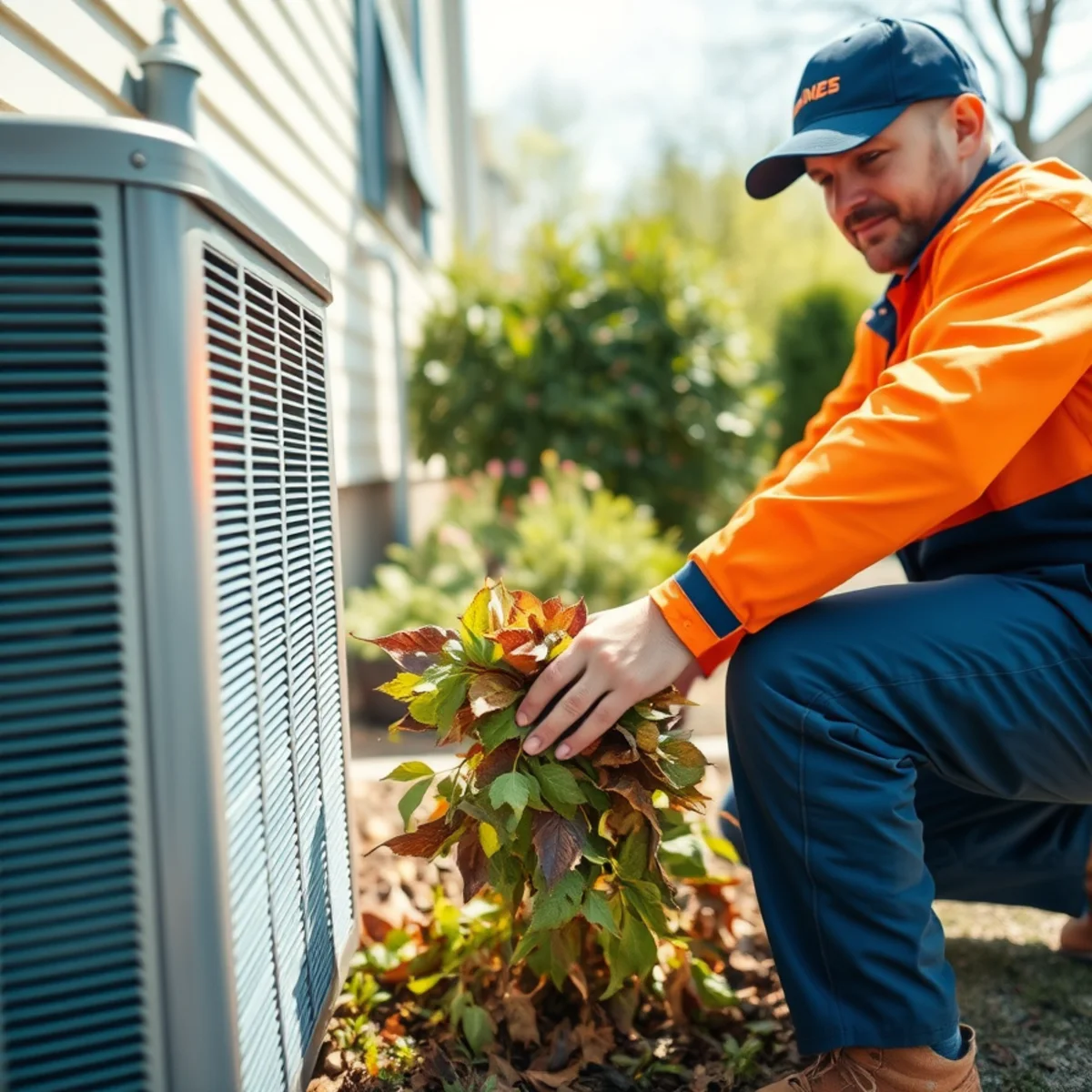
- Keep the outdoor unit clear. Pull weeds, trim back shrubs, and keep at least a couple feet of clearance around it. Don't let grass clippings blow into the coil.
- Rinse the outdoor coil gently. A garden hose on low pressure, top to bottom, clears off dust and pollen. Never use a pressure washer, you'll bend the fins.
- Watch your condensate drain. If you see water pooling near the indoor unit or a damp spot on the ceiling below it, call. That's a drain backing up.
- Listen and feel. New rattles, weak airflow, warm air, or higher power bills are early warnings. Don't ignore them.
These steps don't replace a tune-up, but they keep your system healthy between visits and help your equipment hit its full lifespan.
Older Homes and Lake Properties Have Their Own Needs
Mount Gilead has a lot of character, and some of that character shows up in the HVAC. Our historic downtown has beautiful late-1800s and early-1900s homes, and plenty of them were never built with ductwork. If that's your house, a ductless mini-split is often the honest fix, and those units have their own simple service rhythm. The indoor heads need filter cleaning and a coil check, the same once or twice a year depending on whether you heat with them too.
Lake homes around Lake Tillery face a different stressor. Damp air and proximity to water speed up corrosion on outdoor units. If your equipment lives near the lake, regular service catches rust and electrical corrosion before it leaves you without cooling on a holiday weekend.
Light-commercial spaces, churches, and businesses around town usually need more frequent attention than a home, because the systems run longer hours and serve more people. We handle those on a schedule that fits how the building is used.
The Bottom Line
For most homes in Mount Gilead, the rule is simple. Straight AC gets serviced once a year in spring. Heat pumps get serviced twice, spring and fall. Change your filter regularly, keep the outdoor unit clean, and watch for early warning signs in between. Do that, and you'll get more years out of your equipment, lower power bills through our long summers, and far fewer surprise breakdowns.
EM Contractors LLC has been the Mabe family's HVAC business right here in Mount Gilead since 2005, and the family has worked on systems in this county for decades. We're honest about what your system needs and fair on price, and we service all major makes and models. If you're due for a tune-up, or you just want a straight answer about your system, give us a call. We'll get you set for the season, same-day or next-day when we can.
Frequently Asked Questions
At least once a year for straight central air, done in spring before the heat sets in. If you run a heat pump, make it twice a year, spring and fall, because that same equipment heats and cools all year and racks up about double the run-time. Our long, humid summers push the compressor hard, so once a year is the floor, not the goal.
A heat pump works in every season. It cools you all summer and heats you all winter, so it runs roughly twice as much as a system that only cools. Heat pumps are common around here because our winters are mild and they heat efficiently. That year-round work is exactly why they earn a spring cooling check and a fall heating check instead of a single visit.
Real hands-on work, not a quick glance. We check the refrigerant charge by measuring instead of guessing, clean the indoor and outdoor coils, and flush the condensate drain, which matters a lot in our humidity. We also test the capacitor and electrical connections, inspect the blower and airflow, check the thermostat, and look over moving parts for wear. The point is to catch the small thing in spring before it becomes the expensive breakdown in July.
A few simple things go a long way. Change or clean your filter every one to three months, monthly during heavy pollen season or if you have pets. Keep weeds and shrubs trimmed back so the outdoor unit has clearance, and rinse the outdoor coil gently with a garden hose, never a pressure washer. Watch for water pooling near the indoor unit, weak airflow, warm air, or higher power bills, and call if you see them. These steps don't replace a tune-up, but they keep your system healthy in between.
Related Services
Written by
EM Contractors LLC
A family-owned heating and air conditioning company serving Mount Gilead, NC since 2005. Owner Eric Mabe and his crew share these tips from real work in local homes and businesses — honest advice, no sales pressure.