Most folks call us when something already broke. The AC quit on the hottest day in July. The heat pump started making a noise. We get it, and we'll come fix it. But here's the honest truth from someone who's been under these systems for years: the breakdown you're paying for could have been caught months earlier for a fraction of the cost.
Regular HVAC maintenance isn't an upsell. It's the cheapest insurance you'll ever buy on a system that costs thousands to replace. Let me walk you through exactly how it saves you money, in plain terms, with no fluff.
Your Power Bill Pays for Neglect
A dirty, neglected system works harder to do the same job. That extra work shows up on your Duke Energy bill every single month.
Here's what happens. A clogged air filter or a dirty coil makes your blower and compressor strain against resistance, like running with a pillow over your face. The system runs longer to hit the temperature you set. Longer run-times mean more kilowatt-hours, and around here, our long humid Piedmont summers already push compressors to run nearly nonstop from June through September.
- A dirty evaporator coil can cut cooling efficiency by a noticeable margin, sometimes 10 to 15 percent
- A refrigerant charge that's even slightly low forces the compressor to run hotter and longer
- A clogged filter restricts airflow, so the system runs extra cycles to move the same air
- Dirty outdoor coils can't dump heat properly, which is brutal in our 90-degree August afternoons
None of these problems announce themselves. The system still blows cold air, so you assume it's fine. Meanwhile your bill creeps up 20 dollars here, 30 dollars there. A tune-up cleans the coils, checks the charge, and gets you back to running the way the manufacturer intended. That difference often pays for the maintenance visit by itself.
Small Problems Get Caught Before They Get Expensive
This is where maintenance really earns its keep. Almost every major failure we see started as a small, cheap fix that nobody caught.
A worn capacitor costs a little to replace during a tune-up. Ignore it, and when it fails on a hot Saturday, the compressor tries to start without it and can burn itself out. Now you're looking at a compressor replacement or a whole new condenser. Same story with a weak contactor, a loose electrical connection, or a refrigerant leak that starts small and slowly starves the system.
During a proper maintenance visit, we check the things that fail:
- Capacitors and contactors for wear and correct readings
- Electrical connections for tightness and signs of heat or corrosion
- Refrigerant levels and pressures for early signs of a leak
- The blower motor and bearings for wear
- The condensate drain for clogs (a big one in our humidity, more on that below)
Catching a failing part early turns a four-figure emergency into a routine repair. That's the whole math. You're trading a small known cost now for a large unknown cost later.
Humidity Is the Local Enemy
If you live in Mount Gilead, around Lake Tillery, or anywhere in Montgomery County, humidity is the stressor that wears your system down faster than the heat itself.
We pull around 50 inches of rain a year, and our summers are long and sticky. That means a few things for your equipment. First, your AC or heat pump runs long compressor cycles to wring moisture out of the air, which is more wear and more chances for something to give. Second, all that moisture has to go somewhere, and the condensate drain line is a magnet for algae and gunk. A clogged drain backs up water into the pan, and from there into your ceiling, your closet, or your crawl space.
Third, outdoor units near the lake or out in the open take a beating from moisture and corrosion. Coil fins corrode, electrical terminals oxidize, and cabinets rust. A maintenance visit catches and slows all of that:
- Clears and treats the condensate drain so it doesn't back up and cause water damage
- Cleans the outdoor coil so it can shed heat and resist corrosion buildup
- Checks the pan and safety switch so a clog shuts the system down instead of flooding your home
- Spots rust and corrosion early, before it eats through something critical
We've seen ceiling stains and ruined drywall that started as a five-dollar drain clog. In our climate, skipping the condensate check is asking for trouble.
You Get More Years Out of the System
A new system is a big purchase. Getting a few extra years out of the one you have is real money in your pocket.
HVAC equipment is built to last, but only if it's cared for. The same way an oil change keeps an engine running past 200,000 miles, regular maintenance keeps a compressor and blower running for their full expected life instead of dying early. A well-maintained heat pump or furnace can run reliably for 12 to 15 years or more. A neglected one might give out in 8 or 10, right when you least expect it.
Stretching a system from 10 years to 15 is, in plain terms, delaying a multi-thousand-dollar replacement by five years. That's one of the biggest savings maintenance delivers, and it's the one people overlook because it's invisible. You don't see the breakdown you avoided.
Maintenance Protects Your Comfort and Your Warranty
Two more things worth knowing.
First, comfort. A maintained system keeps temperatures even, pulls humidity down properly, and doesn't leave you with hot and cold spots. In a humid Piedmont summer, a system that actually dehumidifies makes your house feel cooler at a higher thermostat setting, which saves money too. Many of the older homes in our historic downtown district weren't built with great ductwork, and keeping the equipment tuned makes a real difference in how those houses feel.
Second, warranties. Most manufacturers require proof of regular maintenance to honor their parts warranty. If a major component fails and you can't show the system was maintained, you could be stuck paying for a repair the warranty should have covered. Keeping up with tune-ups protects that coverage.
What a Real Maintenance Visit Includes
Not all "tune-ups" are equal. Some outfits show up, swap a filter, and leave. Here's what an honest, thorough seasonal visit should cover:
- Check and adjust refrigerant charge and pressures
- Clean the evaporator and condenser coils
- Clear and treat the condensate drain and check the safety switch
- Test capacitors, contactors, and electrical connections
- Inspect the blower, motor, and belts
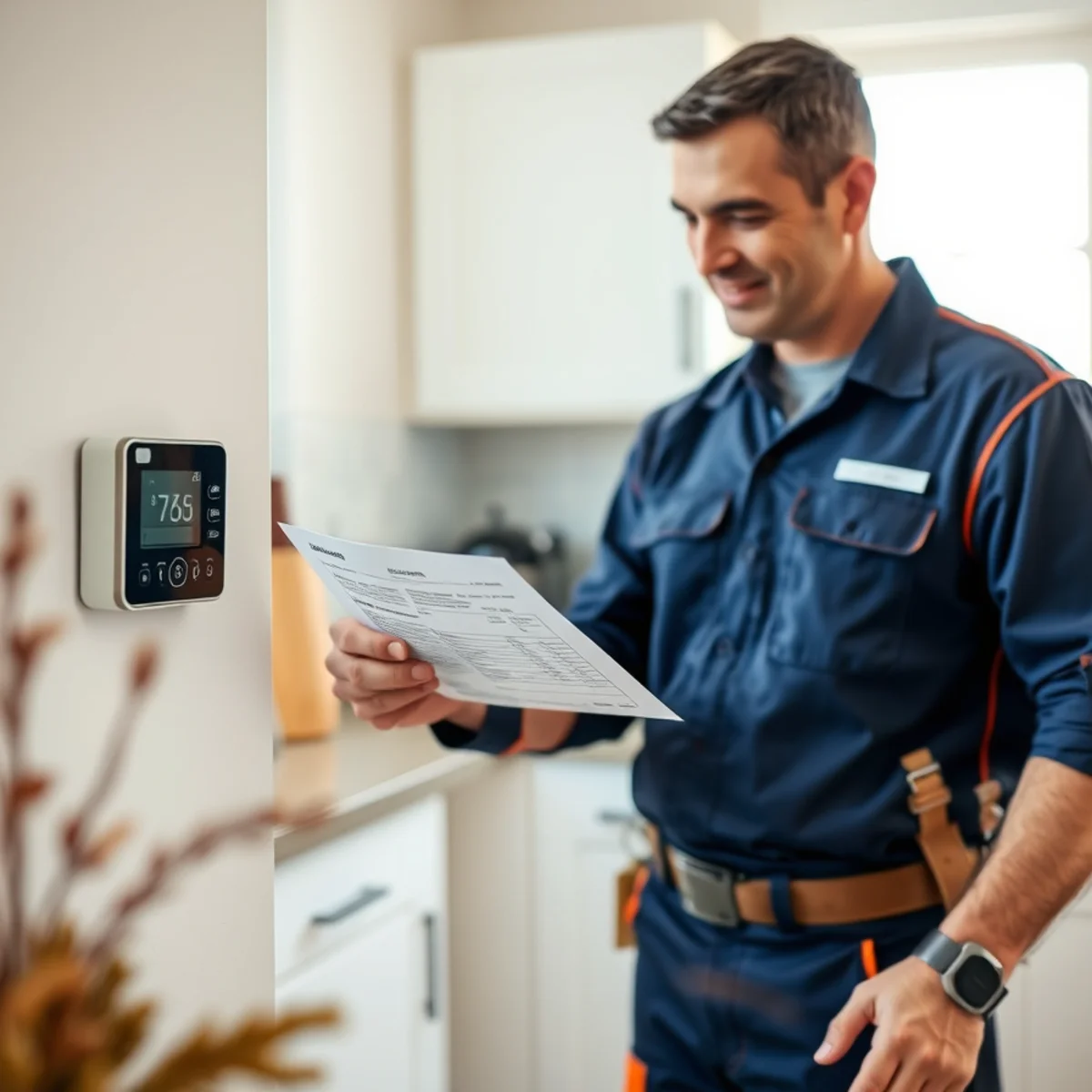
- Check thermostat calibration and operation
- For furnaces, inspect the heat exchanger, burners, and flue for safety
- Replace or check the air filter and talk through airflow
That last one matters in winter too. If you run a gas or oil furnace, a cracked heat exchanger or dirty burner isn't just an efficiency problem, it's a carbon monoxide safety issue. A heating check is about your family's safety as much as your wallet.
The Honest Bottom Line
Twice-a-year maintenance, once before cooling season and once before heating season, is the sweet spot for our climate. It keeps your power bill in check, catches small problems before they become big ones, fights the humidity damage that's unique to our area, and adds years to equipment you've already paid for. The visit pays for itself, and then some.
We're the Mabe family here in Mount Gilead, and we've been doing HVAC in Montgomery County for decades. EM Contractors LLC has been family-owned since 2005, and we treat your system like we'd treat our own, with honest answers and a fair price. We service all major makes and models, residential and light-commercial, from lake homes out by Tillery to businesses and churches in town. If it's been more than a year since your last tune-up, give EM Contractors LLC a call. We'll get you set up, keep you comfortable, and help you avoid the breakdown nobody wants on the hottest day of the year.
Frequently Asked Questions
Twice a year is the sweet spot for our climate: once in spring before cooling season and once in fall before heating season. Our long, humid summers run cooling equipment hard, so a spring check matters most. If it's been more than a year since your last tune-up, that's the sign to call.
Honestly, yes, for most folks. A tune-up cleans the coils and checks the charge, which often pays for itself in lower power bills alone. On top of that, catching a worn part early turns a four-figure breakdown into a routine repair. You're trading a small known cost now for a large unknown one later.
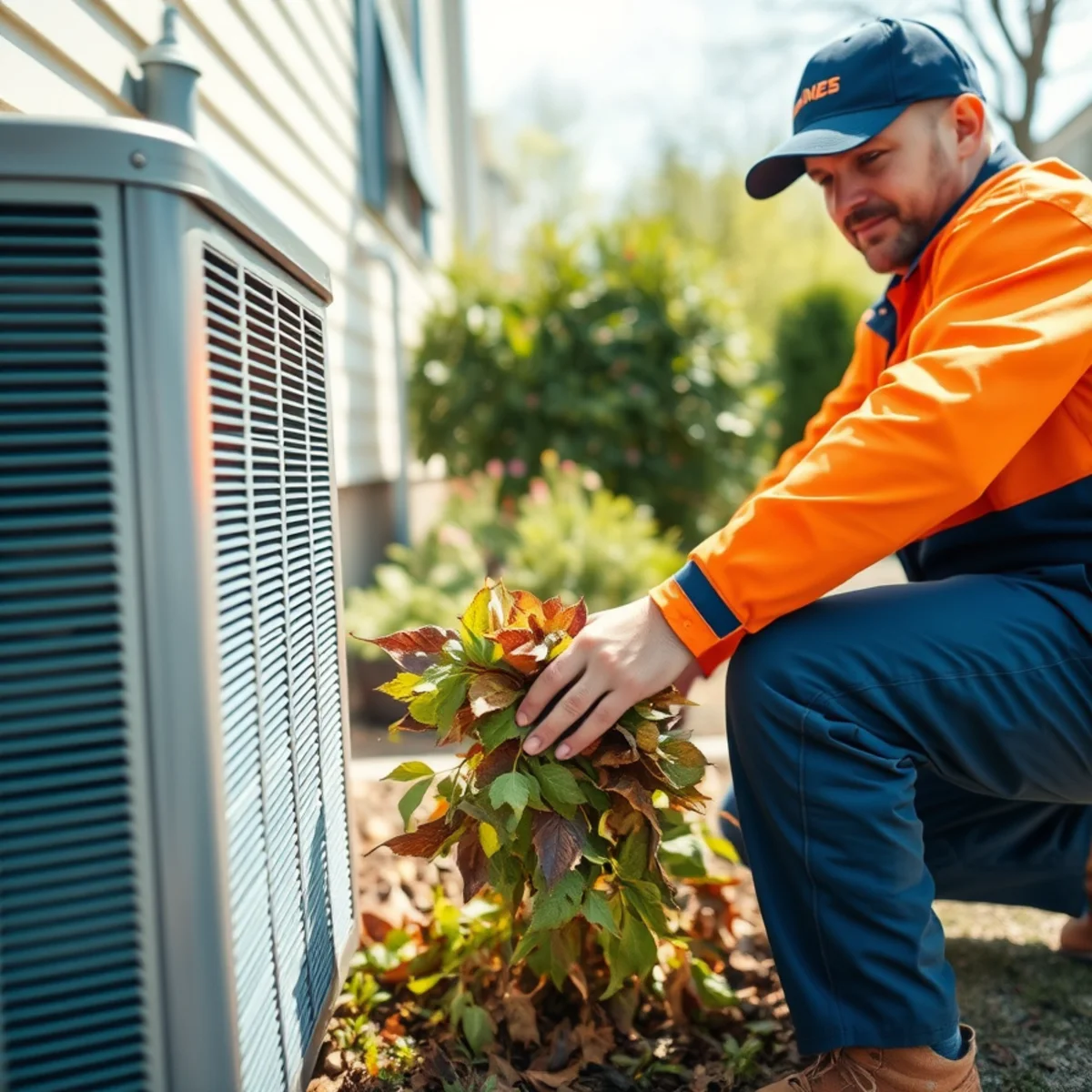
Some of it, yes. Change or check your filter monthly during heavy-use months, keep leaves and grass clippings out of the outdoor unit, and give it a couple feet of clearance. But checking refrigerant charge, testing capacitors, and inspecting a furnace heat exchanger take tools and training. Leave those to a tech.
We pull around 50 inches of rain a year and run sticky for months. That moisture clogs the condensate drain with algae and gunk, and a backed-up drain floods into ceilings or crawl spaces. It also corrodes outdoor coils and terminals, especially on lake homes near Tillery. Clearing the drain and cleaning the coil is the part you can't skip here.
Related Services
Written by
EM Contractors LLC
A family-owned heating and air conditioning company serving Mount Gilead, NC since 2005. Owner Eric Mabe and his crew share these tips from real work in local homes and businesses — honest advice, no sales pressure.